 0
0
 0
0
Managing a pest control business often feels like juggling chainsaws. You have technicians in the field, customers calling for emergency treatments, and a calendar that looks more like a modern art masterpiece than a functional schedule. The difference between chaos and profitability usually comes down to one thing: how effectively you manage your time. This is where pest control scheduling software becomes the most valuable tool in your arsenal.
In this guide, we will explore exactly how this technology streamlines operations, boosts revenue, and keeps your customers happy.
What is Pest Control Scheduling Software?
At its core, pest control scheduling software is a specialized digital platform designed to manage the unique logistical challenges of the pest control industry. Unlike a generic calendar app or a whiteboard in the office, this software is built to handle Recurring service agreements (monthly, quarterly, or seasonal).
- Chemical tracking and regulatory compliance.
- Route optimization for mobile technicians.
- Integrated dispatching and real-time technician tracking.
It serves as the central nervous system of your business operations. It replaces manual spreadsheets and sticky notes with a unified dashboard. Much like the top features found in real estate CRM software, such as lead nurturing and centralized data, a pest control CRM bridges the gap between the office and the field.
Why Your Pest Control Business Needs Scheduling Software
Adopting specialized software isn’t just about “going digital”; it’s about survival in a competitive market. Here is why your business needs to make the switch.
Streamlining Operations
Manual scheduling is prone to human error. Double-booking a slot or sending a technician to the wrong address wastes time and frustrates everyone involved. Software automates these processes, catching conflicts before they happen and ensuring that every appointment is logged accurately.
Improving Customer Satisfaction
Today’s customers expect Amazon-level service. They want to know when you’re coming, receive reminders, and pay their bills online. Modern platforms offer automated notifications and customer portals, providing a transparent and professional experience that builds trust and loyalty.
Boosting Productivity
When technicians spend less time driving and more time servicing accounts, your revenue per hour increases. By optimizing routes and providing clear job details through a mobile app, you eliminate downtime and confusion, allowing your team to complete more jobs in a day.
Enhancing Profitability
Time is money. By reducing fuel costs through smarter routing, minimizing administrative overhead, and capturing every billable service, pest control scheduling software directly impacts your bottom line. It allows you to scale your business without necessarily hiring more office staff to manage the workload.
Key Features of Pest Control Scheduling Software
When evaluating different platforms, look for these essential features that drive efficiency.
1. Drag-and-Drop Scheduling
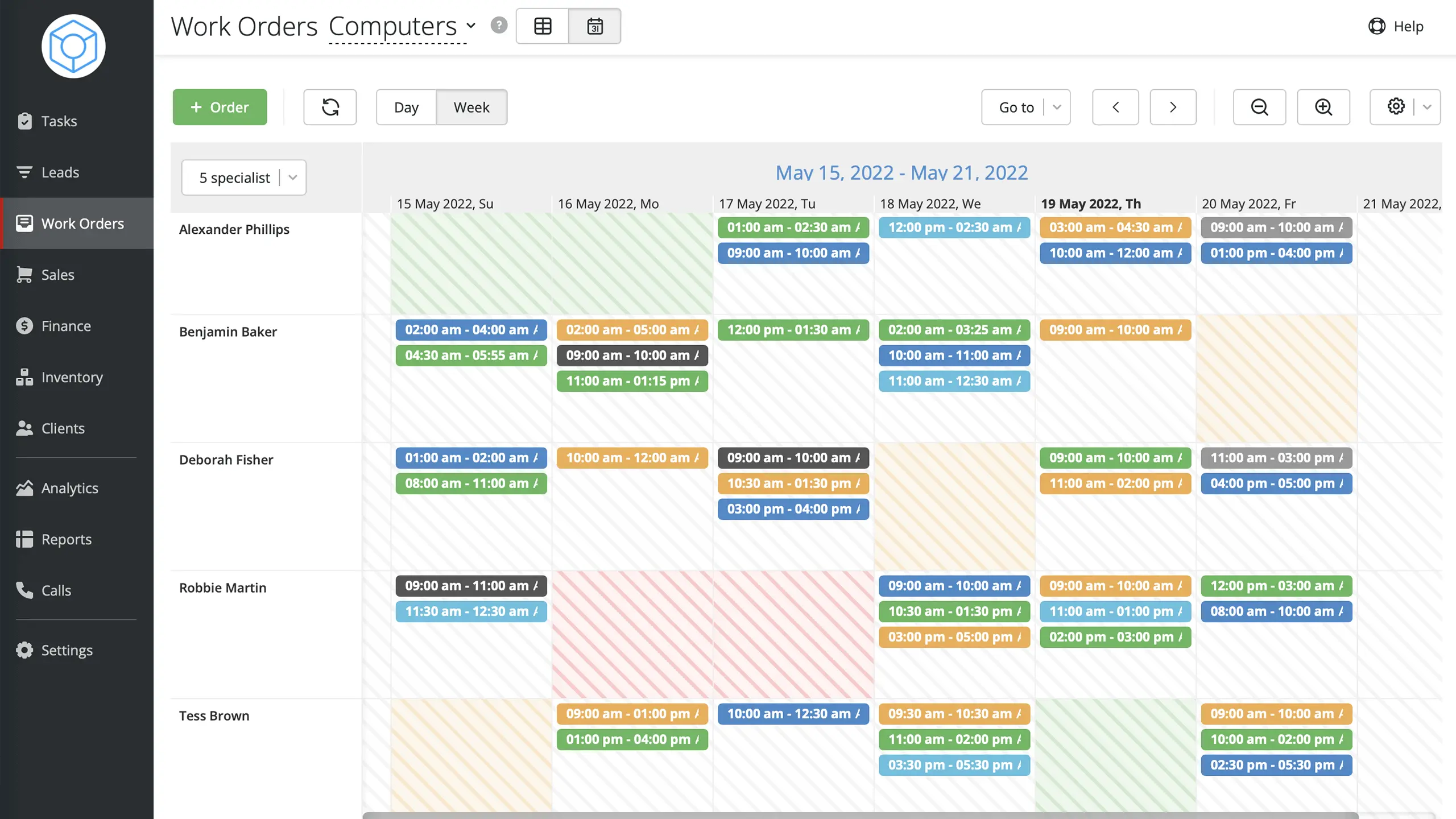
This is the heart of the system. Office managers can easily move appointments around a visual calendar. If a job runs long or a customer cancels, rescheduling is as simple as clicking and dragging a block to a new time or technician. The system automatically updates everyone involved.
2. Route Optimization
Driving is the biggest non-billable expense for field technicians. Route optimization algorithms analyze traffic patterns, job locations, and appointment windows to create the most efficient path for each driver. This reduces fuel consumption and wear and tear on vehicles while ensuring technicians arrive on time.
3. Automated Reminders
No-shows are a revenue killer. Automated systems send SMS or email reminders to clients days or hours before their appointment. This simple feature drastically reduces wasted trips and keeps your schedule full.
4. Mobile App Integration
Your technicians need access to information while on the road. A robust mobile app allows them to view their daily schedule, access customer history, record chemical usage, and capture signatures right from their smartphones or tablets.
5. Reporting and Analytics
You can’t improve what you don’t measure. Comprehensive reporting tools track key performance indicators (KPIs) like technician productivity, revenue per route, and customer retention rates. These insights help you make data-driven decisions to grow your business.
6. Customer Relationship Management (CRM)
A built-in CRM stores all customer data in one place. From contact details and gate codes to service history and billing status, having this information readily available allows your team to provide personalized service and resolve issues quickly.
Top Benefits of Using Pest Control Scheduling Software
Implementing field service management tools transforms daily operations in several significant ways.
Time Savings
The most immediate benefit is the sheer amount of time saved on administrative tasks. Automating invoice generation, recurring scheduling, and route planning frees up your office staff to focus on sales, marketing, and customer service strategies that actually grow the business.
Enhanced Customer Experience
Communication is key to customer retention. Automated “on my way” texts and digital service reports give customers peace of mind. When a customer feels informed and valued, they are less likely to switch to a competitor and more likely to leave positive reviews.
Increased Revenue
Better data leads to better sales opportunities. With detailed customer histories, you can easily identify clients who might need add-on services like termite protection or mosquito control. Additionally, efficient workflow automation ensures that no invoice goes unsent and every service is billed correctly.
Scalability
Growing a pest control company used to mean a massive increase in paperwork. With the right software, adding new trucks and technicians is simple. The systems are designed to handle thousands of customers as easily as they handle hundreds, allowing you to expand without operational growing pains.
How to Choose the Best Pest Control Scheduling Software
Not all software is created equal. Here is how to find the right fit for your specific needs.
1. Evaluate Your Business Needs
Start by assessing your current size and future goals. Are you a solo operator looking to save time, or a multi-branch operation needing complex reporting? Make a list of your “must-have” features versus “nice-to-have” extras.
2. Key Features to Look For
Ensure the software handles the specific nuances of pest control. Does it track chemical usage for state reporting? Does it handle recurring contracts efficiently? Look for seamless integration with tools you already use, such as QuickBooks for accounting or various marketing platforms.
3. User-Friendliness
The best software is the one your team will actually use. Look for an intuitive interface that requires minimal training. If the system is too complex, your technicians may resist adopting it, defeating the purpose of the investment.
4. Cost and ROI
Consider the pricing model carefully. Some charge per user, while others have a flat monthly fee. Look beyond the sticker price and calculate the Return on Investment (ROI). If the software saves you 10 hours of admin work a week and helps you fit one extra job per tech per day, it will likely pay for itself many times over.
FAQs About Pest Control Scheduling Software
1. What is pest control scheduling software?
It is a digital platform designed to help pest control companies manage appointments, optimize routes, track customer data, and streamline billing and reporting operations.
2. How does it help grow my business?
It automates repetitive tasks, allowing you to service more customers with the same resources. It also improves customer retention through better communication and service reliability.
3. Can it integrate with other tools?
Yes, most top-tier platforms integrate with popular accounting software like QuickBooks, payment processors like Stripe, and various marketing tools to create a unified workflow.
4. Is it suitable for small businesses?
Absolutely. Many providers offer tiered pricing plans, making it affordable for startups and small businesses to access professional-grade tools that help them compete with larger companies.
5. What are the costs involved?
Costs vary widely depending on features and the number of users. Most operate on a monthly subscription model. Many vendors offer free trials so you can test the system before committing.
Case Studies: Success Stories with Pest Control Scheduling Software
Real-world examples highlight the transformative power of these tools.
The Solo Operator turned Small Business
A single-technician operation was spending three hours every evening on paperwork and routing for the next day. After implementing pest control scheduling software, the owner reduced admin time to 30 minutes a week. The automated routing allowed him to fit in two extra stops per day, increasing weekly revenue by 20%.
The Mid-Sized Growth Engine
A company with five trucks was struggling with communication gaps. Technicians often arrived at jobs without the right gate codes or equipment. By adopting a solution with a robust mobile app and CRM, they eliminated these errors. Customer satisfaction scores soared, and they reduced fuel costs by 15% through optimized routing.
The Enterprise Efficiency Boost
A large regional provider needed to standardize operations across three branches. Using a centralized software platform, they automated their renewal process for annual contracts. This automation led to a 35% increase in contract renewals and allowed management to track standardized KPIs across all locations.
Conclusion
Efficiency isn’t just a buzzword; it is the foundation of a successful service business. Whether you are managing a single truck or a fleet of fifty, the right technology allows you to focus on what you do best: solving pest problems for your clients.
By implementing the right tools, you move away from reactive chaos and toward proactive growth. Explore the options available, take advantage of free trials, and take the first step toward a more organized, profitable future.